
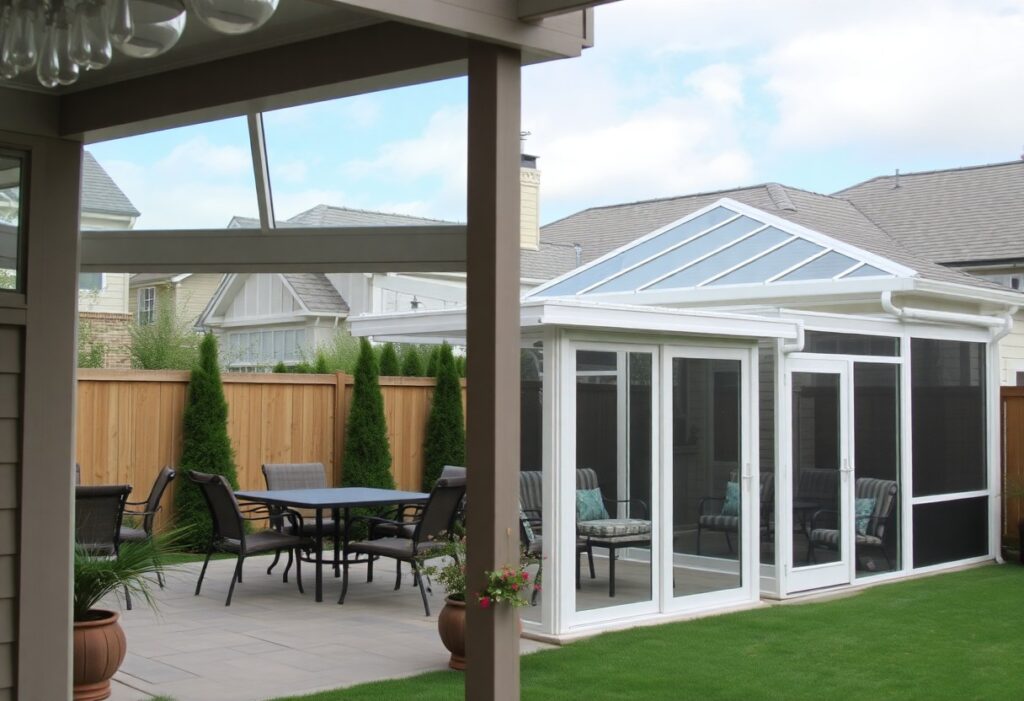
A Review of Patio Enclosures: Many homeowners seek to enhance their outdoor living spaces through patio enclosures, which offer a variety of benefits like increased privacy and protection from the elements. Understanding styles, costs, and installation options is crucial for making an informed decision. From screened-in rooms to glass enclosures, each style presents unique advantages and challenges. You’ll also want to consider potential installation costs and the importance of hiring qualified professionals for the job. For insights on selecting the right contractor, check out The Ultimate Guide to Choosing a Patio Enclosure Contractor.
Key Takeaways:
- Patio enclosures come in various styles, including screen rooms, glass solariums, and patio covers, allowing homeowners to choose based on aesthetics and functionality.
- Cost varies depending on materials, size, and style, with budget options available as well as high-end installations that deliver enhanced comfort and longevity.
- Professional installation is recommended for optimal results, as it ensures proper fitting and adherence to building codes, enhancing the overall durability of the enclosure.
Types of Patio Enclosures
While considering a patio enclosure, the variety of designs and styles available can certainly influence your decision. It’s vital to evaluate your preferences and needs to find the best fit for your outdoor space. Below are some common types of patio enclosures you might encounter:
| Type | Features |
|---|---|
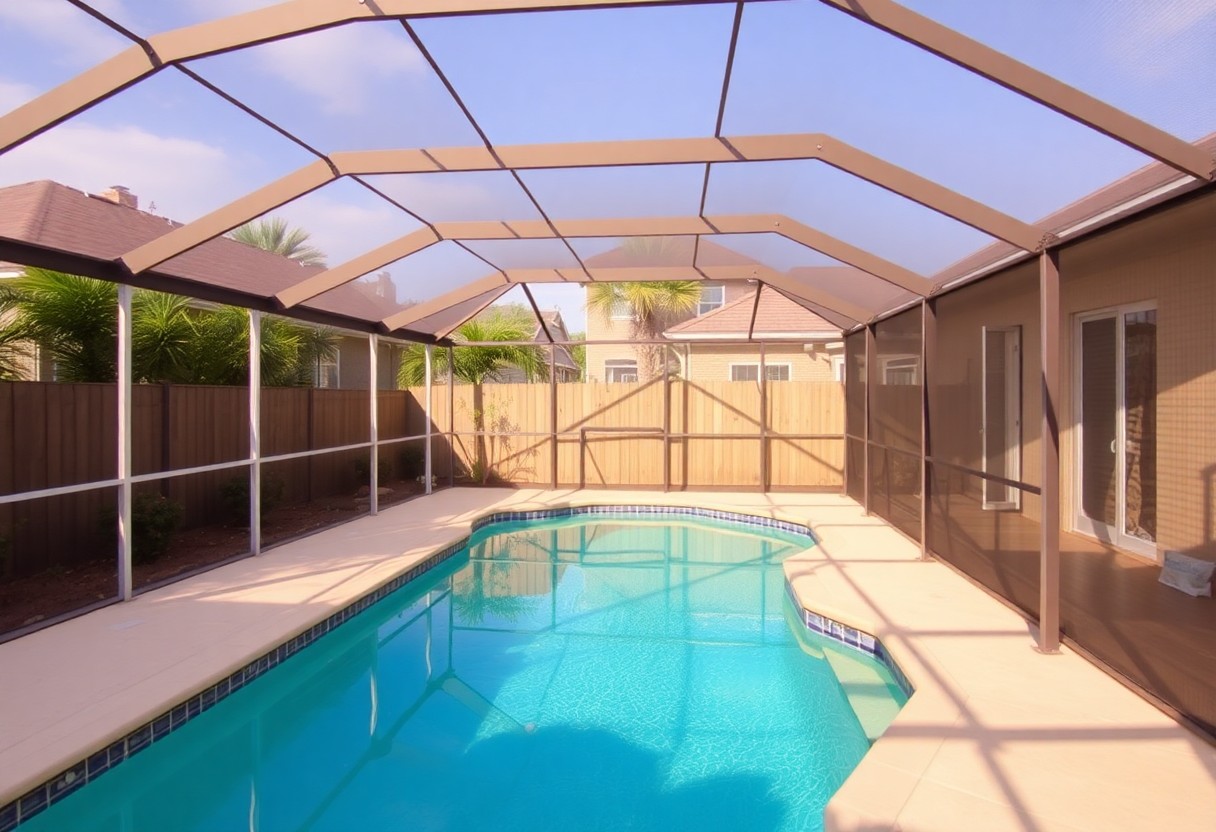
| Screen Rooms | Excellent ventilation and pest protection |
| Three-Season Rooms | Extend your living space with seasonal use |
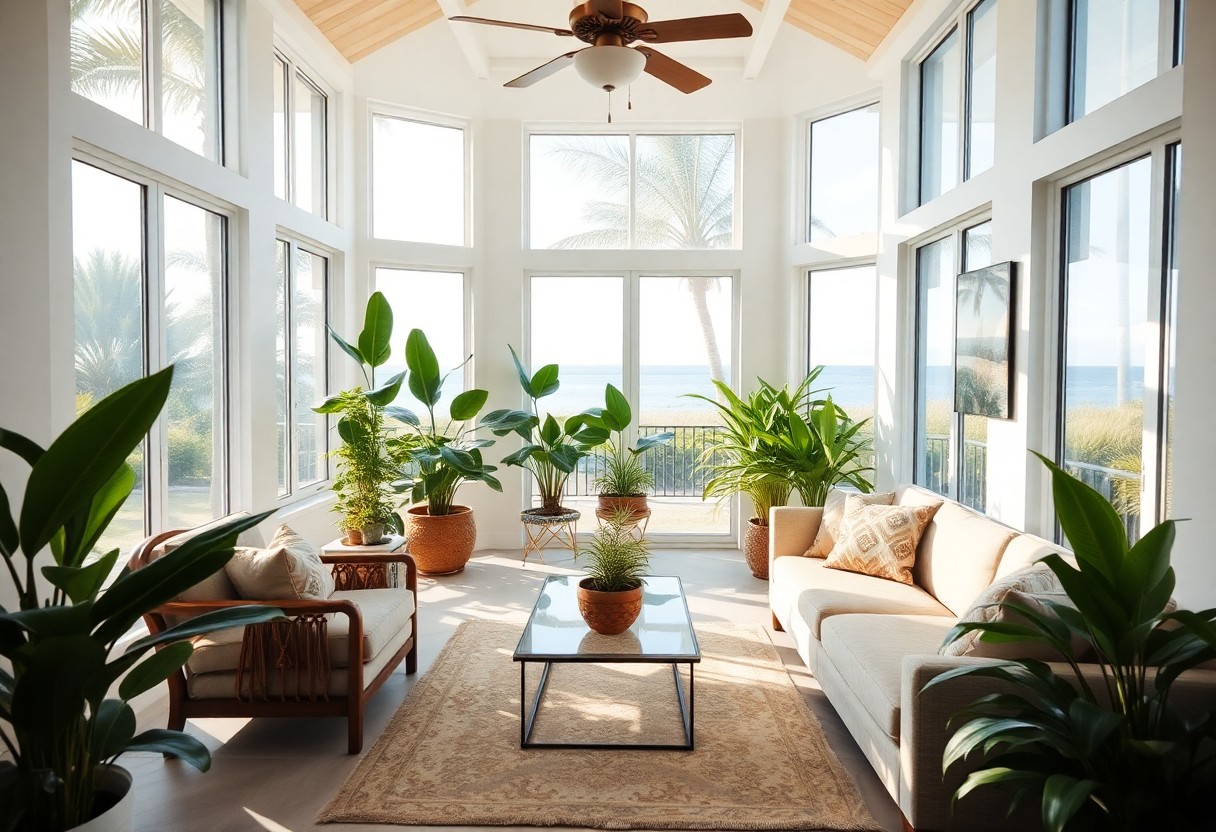
| Four-Season Rooms | Comfortable year-round, climate-controlled spaces |
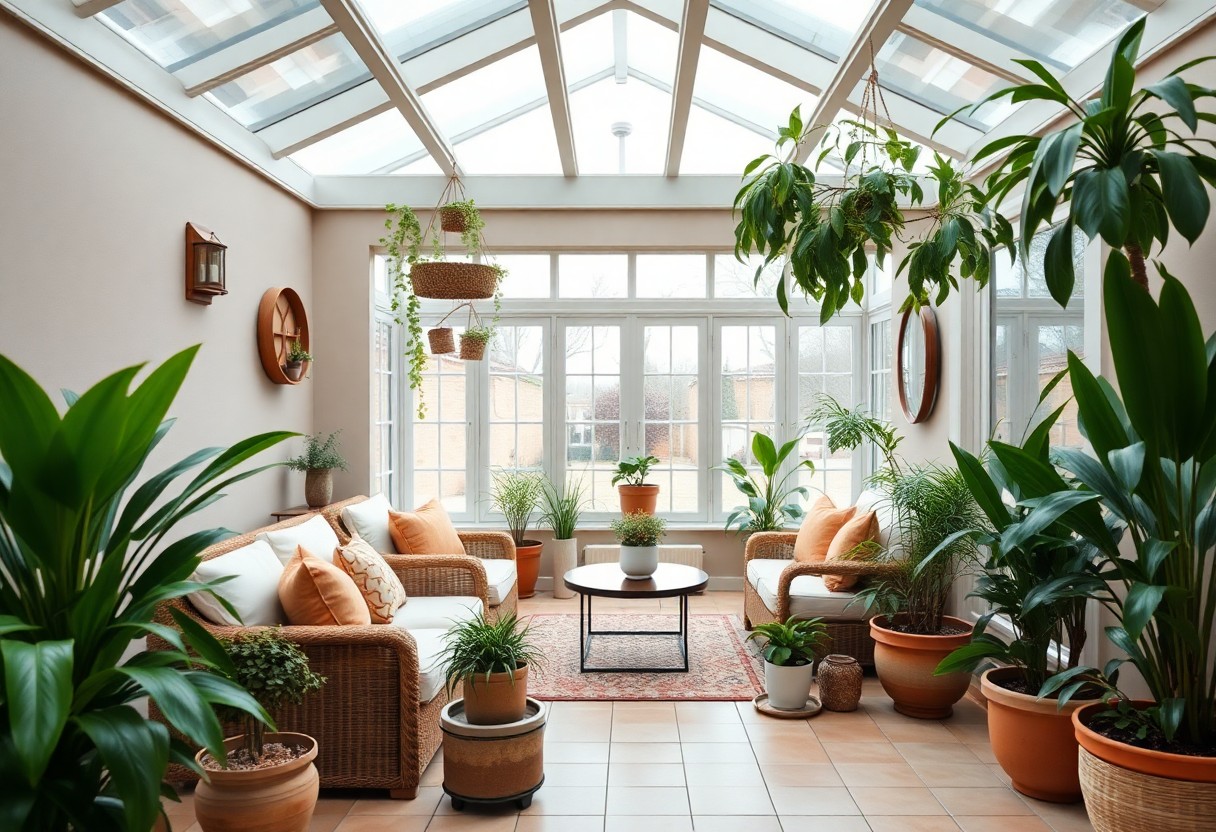
| Solarium | Glass-enclosed, allows maximum sunlight |
| Conservatory | Stylish, often used as a greenhouse or reading nook |
After identifying the types, you can narrow down your options based on your budget and installation preferences.
Screen Rooms
Across many regions, screen rooms are a popular choice for those who love spending time outdoors while remaining free from pesky insects and harsh weather. These structures typically consist of a framing system covered with durable mesh screens that keeps the bugs out while allowing for optimum airflow, making them perfect for warm climates. Many homeowners appreciate the seamless connection between outdoor and indoor spaces that screen rooms offer, providing a comfortable environment to relax or entertain guests.
Importantly, these enclosures can often be installed quickly and with minimal disruption to your yard, allowing you to use your new space sooner rather than later. Depending on the materials and the size of your desired screen room, costs can vary significantly, so you should outline your budget ahead of time to make necessary adjustments. After weighing the benefits, it becomes evident that screen rooms provide an excellent balance of accessibility and comfort.
Three-Season Rooms
An appealing option for many is the three-season room, designed for use primarily in spring, summer, and fall. These enclosures offer a versatile space with large windows that let in natural light while providing some protection from the elements. You might find that this type caters to those who want to enjoy their outdoor living space without being exposed to the complete unpredictability of nature. With various designs available, you can customize your three-season room to match your home’s aesthetic, creating an inviting area for both relaxation and social engagements.
Due to their energy-efficient design, three-season rooms can often lower heating and cooling costs, making them an economical addition to your home. Additionally, you can incorporate several enhancements, such as ceiling fans or heating units, to make your three-season room more comfortable year-round, transforming it into a cozy retreat for early spring and late fall.
Four-Season Rooms
Between the array of patio enclosures, four-season rooms stand out as a versatile choice. These rooms are designed to be climate-controlled, allowing you and your family to enjoy the space all year long, regardless of the outdoor temperature. Constructed with insulated walls and integrative heating and cooling systems, they offer comfort in any season, making them highly suitable for families who want to create a continuous living environment that connects with nature.
At the heart of the attraction is the ability to personalize a four-season room to your liking. Whether you envision a sun-lit workspace, a cozy reading nook, or even an entertainment area, the possibilities are nearly limitless. This adaptability, combined with the comfort they provide, often makes four-season rooms a favorite among homeowners looking to expand their living spaces.
Solarium and Conservatory Options
To add a touch of elegance to your home, consider the beautiful options provided by solariums and conservatories. These structures typically feature extensive glass panels, allowing ample sunlight to pour in while showcasing your landscaping. They can be used for a myriad of activities, such as gardening, relaxation, or even hosting events, adding a unique charm to your outdoor experience. The beauty of a solarium or conservatory is that you can enjoy beautiful views of your garden all year round, irrespective of the outside conditions.
Also, these glass-enclosed spaces can be customized to meet your needs, including temperature control features, which can help protect your plants or provide a comfortable living area. With such versatility and aesthetic appeal, solariums and conservatories are perfect ways to enhance your home while enjoying the natural beauty of your surroundings.
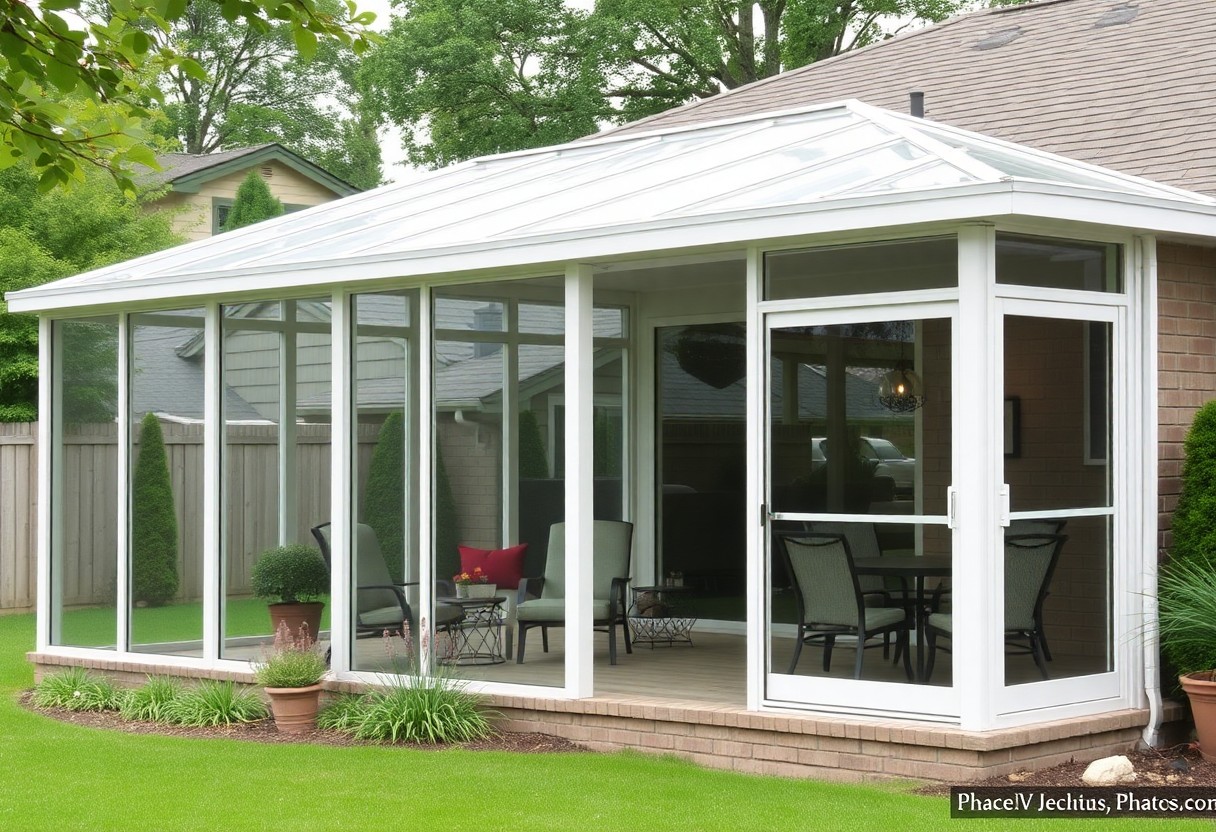
Materials and Construction
Even though many patio enclosures look similar, the materials used in their construction can significantly affect their durability, aesthetics, and maintenance requirements. Understanding these materials will help you make an informed decision that aligns with your specific needs. Most commonly, patio enclosures are made from aluminum, vinyl, or wood frames. Aluminum is lightweight and rust-resistant, making it a popular choice for durability. Vinyl, while slightly less durable, offers excellent insulation and is often favored for its low maintenance requirements. If you prefer a more traditional aesthetic, wood can provide a warm and inviting look, but bear in mind that it requires consistent upkeep to maintain its integrity over time.
Frame Materials and Durability
Below, the choice of frame material directly impacts your patio enclosure’s longevity and performance. For instance, if you live in an area that experiences extreme weather conditions, opting for heavy-duty aluminum may be your best option due to its ability to withstand rigorous elements. Vinyl frames are more suited for milder climates and typically offer better energy efficiency. Lastly, wooden frames can provide a charming appeal but must be treated to withstand moisture and pests, making them less desirable for harsher climates.
Glazing and Screen Options
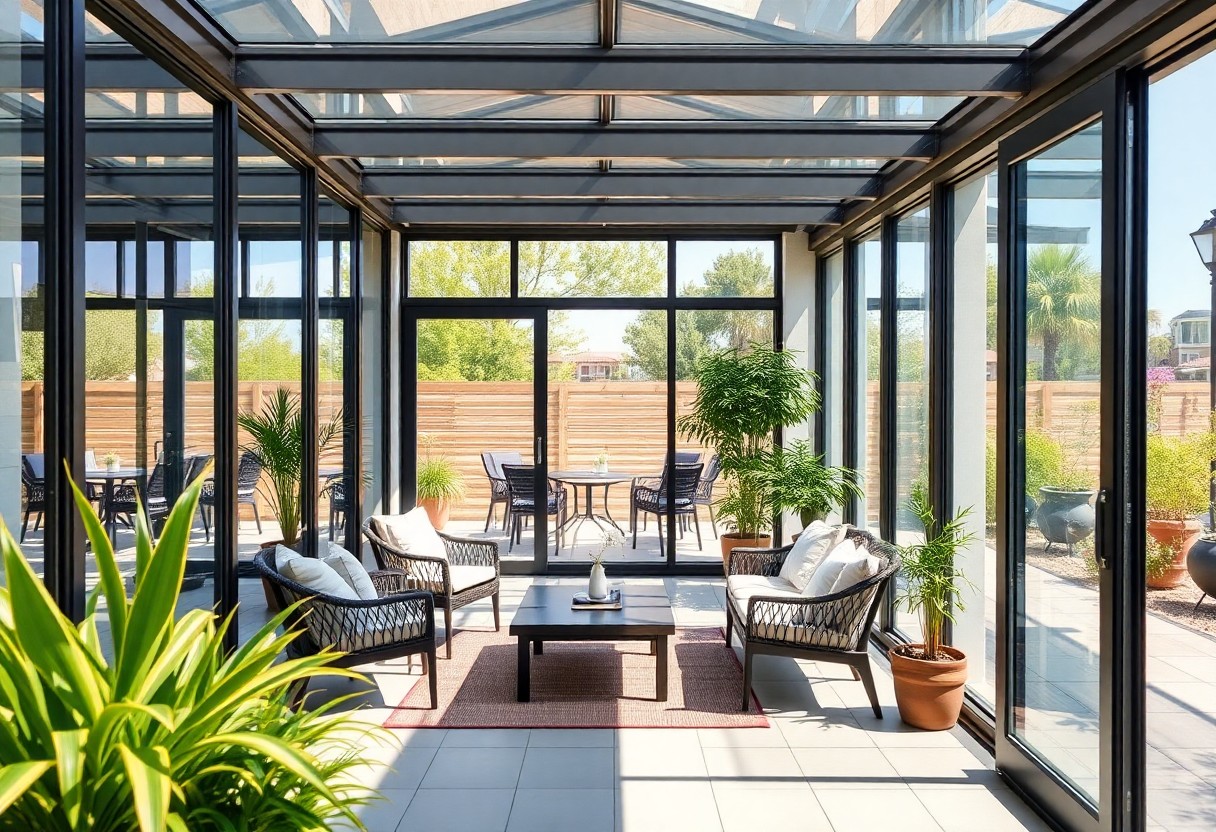
Behind the choice of glazing and screening lies the potential for your patio enclosure to offer both comfort and functionality. You can choose between single-pane and double-pane glass, each with its advantages. Double-pane glass not only provides better insulation but also minimizes noise pollution, which may be important for residential areas. If ventilation is a top priority, screens can be incorporated to keep bugs out while letting fresh air circulate through your enclosed space.
But the variation in your selection of glazing and screen options can greatly affect your enclosure’s usability and comfort. Depending on your climate and personal preferences, you might consider solar glass to block UV rays while maintaining visibility or a combination of screens and glass panels for versatility in different weather conditions. These choices not only enhance the look of your patio but also improve its energy efficiency.
Insulation Considerations
Any consideration of insulation in your patio enclosure won’t just enhance your comfort; it can also lead to energy savings. With proper insulation, your enclosure can remain comfortable year-round, regardless of outdoor temperatures. Ensure you choose materials that limit heat transfer to maintain the desired indoor climate when you want to enjoy your space.
Plus, opting for high-quality insulation options can significantly reduce your heating and cooling bills, making your patio enclosure a more economical investment over time. Take the time to research the R-value of insulation materials, as a higher R-value indicates better insulating capabilities, adding an crucial layer of protection to your patio haven.
Review of Patio Enclosures: Cost Analysis
After you’ve decided to invest in a patio enclosure, understanding the associated costs is vital for planning your budget effectively. The expenses can vary significantly based on the style, materials, and installation required for your new space. You must factor in not only the initial costs but also how these will potentially affect your home’s value over time. Therefore, performing a thorough financial analysis is important to ensure you are making a sound investment.
Material Expenses
About the material expenses, it’s important to note that the choice of materials will significantly influence your overall investment. Common materials like aluminum, vinyl, and glass each come with their unique price points and benefits. For instance, while aluminum is often less expensive and requires less maintenance, it may not provide the same aesthetic appeal or energy efficiency as glass options. Depending on your preference and budget, you might lean towards a more cost-effective solution or a premium option that enhances the beauty and functionality of your patio.
Installation Costs
Around the topic of installation costs, these can vary based on both your location and the complexity of the project. Basic installations may range from $1,500 to $3,000, but if your enclosure includes custom features or requires extensive preparation work, you might see costs rise to $5,000 or more. It’s advisable to gather multiple quotes from reputable contractors to ensure you are receiving a fair estimate and to understand what specific services are included in the price.
Expenses can accumulate quickly, with labor often contributing a significant portion to the total installation costs. Skilled laborers or contractor fees can range from $50 to $100 per hour, depending on their experience and the specifics of your installation. Therefore, selecting a qualified installer who can ensure high-quality workmanship is important in avoiding future repair costs.
Return on Investment
Among the various factors that you must consider is the return on investment when installing a patio enclosure. Research indicates that well-designed patio enclosures can increase your property’s value by providing additional living space, which can be appealing to prospective buyers. This added value, combined with enhanced outdoor functionality, can offer you a solid return when you decide to sell your home.
In fact, many homeowners report achieving up to a 75% return on their investment in patio enclosures. This is especially true if your enclosure is built with durable materials and is designed to harmonize with your home’s exterior. Therefore, you should view this expenditure not merely as a cost but as an enhancement that could greatly benefit you long-term.
Review of Patio Enclosures: Installation Process
Not every patio enclosure is the same, and the installation process can vary significantly based on the style you choose and whether you’re opting for a professional installation or tackling a DIY project. Engaging skilled professionals not only helps to ensure precision but also decreases the likelihood of structural issues that can arise from improper setup. However, if you’re looking to save on costs and are comfortable with tools and home improvement projects, DIY installation can be a rewarding experience. For more insights, check out the Benefits of Adding Patio Enclosures and Sunrooms.
Planning and Permits
Across various regions, local regulations may dictate specific requirements for the installation of patio enclosures. Researching zoning laws and obtaining any necessary permits is imperative to avoid fines or delays in project completion. These regulations tend to address factors such as structure height, boundary line proximity, and even aesthetics, which can influence your design choices. It’s wise to consult with your local building department early on to ensure your plans meet the required guidelines.
Construction Timeline
An installation timeline can range from a few days to several weeks, heavily depending on the complexity of the project. Simpler enclosures might only require a couple of days for completion, while more elaborate designs or custom features could extend the project timeline. Factors like weather conditions, material availability, and the experience level of your installation team are also significant contributors to the overall duration. Communication with your contractor about project milestones helps keep the process organized and efficient.
Construction typically begins with site preparation, including clearing the area and laying a foundation if required. Next, the frame is erected, followed by the installation of walls and roofing. After structural elements are in place, finishing touches such as insulation, electrical work, and any necessary landscaping will be handled. It’s important to expect some variability in timelines but keeping an open dialogue with your team can mitigate surprises.
Professional vs. DIY Installation
By weighing the advantages and disadvantages of hiring a professional versus begining on a DIY project, you can make an informed decision that suits your needs. While a professional installation guarantees expert craftsmanship and adherence to local building codes, pursuing a DIY approach offers you the opportunity to personalize your project while saving on labor costs. Keep in mind that the depth of your skills in construction and design plays a significant role in the success of your patio enclosure project.
At the end of the day, the choice between professional assistance and DIY installation should align with your comfort level and experience. If you’re tackling a complex build or have limited technical skills, hiring professionals can significantly reduce risks and ensure a safe, properly structured enclosure. Conversely, if you thrive on hands-on projects and have done some home renovations in the past, you might find that the DIY route not only saves money but allows for creative expression.
Maintenance and Care
Despite the various styles and materials used in patio enclosures, proper maintenance is crucial to ensure their longevity and functionality. Regular care helps to avoid larger issues in the long run, enhancing your outdoor experience and keeping your patio enclosure looking its best. You should inspect your enclosure periodically, paying attention to the frames, screens, and any seals or openings that might require a quick fix. Properly maintaining your patio enclosure can not only keep it aesthetically pleasing but also protect your investment from weather-related damage and pests.
Seasonal Maintenance Requirements
Between the changing seasons, your patio enclosure may require specific maintenance tasks to keep it in top shape. In the spring, it’s a perfect time to check for any winter damage and clean the surfaces to remove dirt and debris. This ensures that your outdoor space is fresh and inviting as you transition into warmer weather. During the summer, regular cleaning and inspections can help prevent wear from high humidity or intense sun exposure. As fall approaches, cleaning out leaves and debris from gutters and ensuring that doors and windows close properly can prevent mold and other issues. Lastly, winter may necessitate a more thorough inspection to handle snow load and ensure that your enclosure can withstand cold temperatures.
Common Repairs and Solutions
Seasonal changes can lead to specific issues that may arise in your patio enclosure. Over time, you may notice wear and tear on screen panels, loose fasteners, or even minor damage to frames. You should address these issues promptly to avoid further damage. For example, replacing worn-out screens is usually straightforward and can be accomplished with basic tools. Additionally, if you find that doors are sticking or not closing properly, check for loose screws or relevant hardware. Regularly lubricating hinges can also help in maintaining smooth operation.
This attention to detail in your maintenance practices will go a long way in ensuring that your patio enclosure remains a cherished addition to your home. By which you can proactively handle common repairs, such as sealing minor leaks or adjusting misaligned doors, you minimize the risk of more significant problems that could escalate into costly repairs. Being proactive, as opposed to reactive, allows you to enjoy your space without the worry of a maintenance headache down the line.
Design Considerations
To create a patio enclosure that enhances your outdoor experience, it’s crucial to take several design considerations into account. First, you’ll want to ensure that the style of your enclosure complements the architectural elements of your home. By selecting materials and colors that echo your home’s existing features, such as siding, roofing, or window patterns, you will achieve a cohesive and visually appealing look. Additionally, it’s beneficial to think about the structural proportions; a well-balanced enclosure should neither overpower your property’s aesthetics nor feel inadequate alongside your existing architecture.
Architectural Integration
Across various home styles, ensuring that your patio enclosure integrates seamlessly with your home’s architecture is important. Whether you live in a traditional, modern, or rustic style home, the enclosure should reflect the same design language to avoid looking like an afterthought. Consider factors such as roof pitch, wall height, and any architectural detailing you might have on your home to create a harmonious design that feels intentional.
Climate Adaptability
Against the backdrop of changing weather patterns, your patio enclosure must be adaptable to various climates. This means selecting materials that are not only durable but also suitable for your specific weather conditions. For instance, if you experience heavy rainfall or snow, you’ll want to consider high-quality materials and designs that can withstand moisture without rotting or warping. On the other hand, strong UV rays may necessitate the use of tinted or reflective glass to protect your furnishings and provide comfort.
Also, the versatility of your enclosure can be a game changer, allowing you to enjoy your patio throughout the year, regardless of the weather. Installing adjustable screens or removable panels can facilitate airflow during warm months, while adding insulation or heating options can make your space cozy during winter. This adaptability will mean you can spend more time enjoying your outdoor space in comfort.
Interior Design Elements
Among the many dimensions to think about, interior design elements play a significant role in your patio enclosure’s overall aesthetics. Choosing appropriate furniture, lighting, and decor can greatly enhance your experience, making the space inviting and functional. You might consider utilizing durable, weather-resistant furnishings that blend style with utility, ensuring that your choices are suitable for outdoor conditions while also being comfortable and appealing.
Adaptability in interior design is also vital. Flexibility in the layout of your space will allow you to customize the function depending on the occasion, whether it’s a lively gathering or a quiet evening. Incorporating versatile pieces, like modular furniture or adjustable lighting, allows you to adapt the environment to fit your needs while maintaining a cohesive and stylish space.
Final Words
On the whole, choosing the right patio enclosure can enhance your outdoor space significantly, allowing you to enjoy your patio year-round regardless of the weather. You have several styles to consider, from screen rooms that provide ventilation to glass enclosures that offer insulation and panoramic views. Understanding the various options and their associated costs can make it easier for you to find a solution that fits your budget and lifestyle. Whether you opt for a DIY installation or prefer to hire professionals, knowing what to expect will prepare you for a successful project.
Your patio enclosure can turn an ordinary area into an exceptional part of your home, providing comfort and extending your living space. By weighing the styles, costs, and installation methods discussed, you can make informed decisions that reflect your personal taste and functional needs. Investing time in this process will ultimately reward you with an enjoyable and versatile environment that enhances your everyday living and entertainment experience outside.
FAQ
Q: What are the different styles of patio enclosures available?
A: Patio enclosures come in various styles to suit different aesthetic preferences and functional needs. Popular styles include screen rooms, which use mesh panels to keep insects out while allowing airflow; glass enclosures that provide a complete view of the outdoors; and three-season rooms that can be used in spring, summer, and fall. Additionally, some enclosures are designed with specific materials like aluminum, vinyl, or wood, each offering distinct benefits in terms of durability and maintenance. Homeowners can also opt for custom-built enclosures to better match their existing architecture.
Q: How much does it typically cost to install a patio enclosure?
A: The cost of installing a patio enclosure can vary widely based on several factors including size, materials, and the complexity of the installation. On average, homeowners can expect to pay between $5,000 and $30,000 for a patio enclosure. Screen rooms are often the most budget-friendly option, while glass enclosures tend to be more expensive due to the materials involved. Additional features, such as heating, cooling, or more elaborate designs, can contribute to the overall cost, making it imperative to get a detailed quote from contractors.
Q: What is the installation process for patio enclosures?
A: The installation process for patio enclosures typically begins with a consultation where homeowners discuss their needs and preferences with a contractor. After finalizing the design, the contractor will prepare the site, which may involve clearing the area and ensuring proper drainage. Once the groundwork is set, the framework is constructed, followed by the installation of walls and roofing, depending on the type of enclosure chosen. The process usually takes a few days to several weeks, depending on the size and complexity, and homeowners should ensure that they have the necessary permits if local regulations require them.